

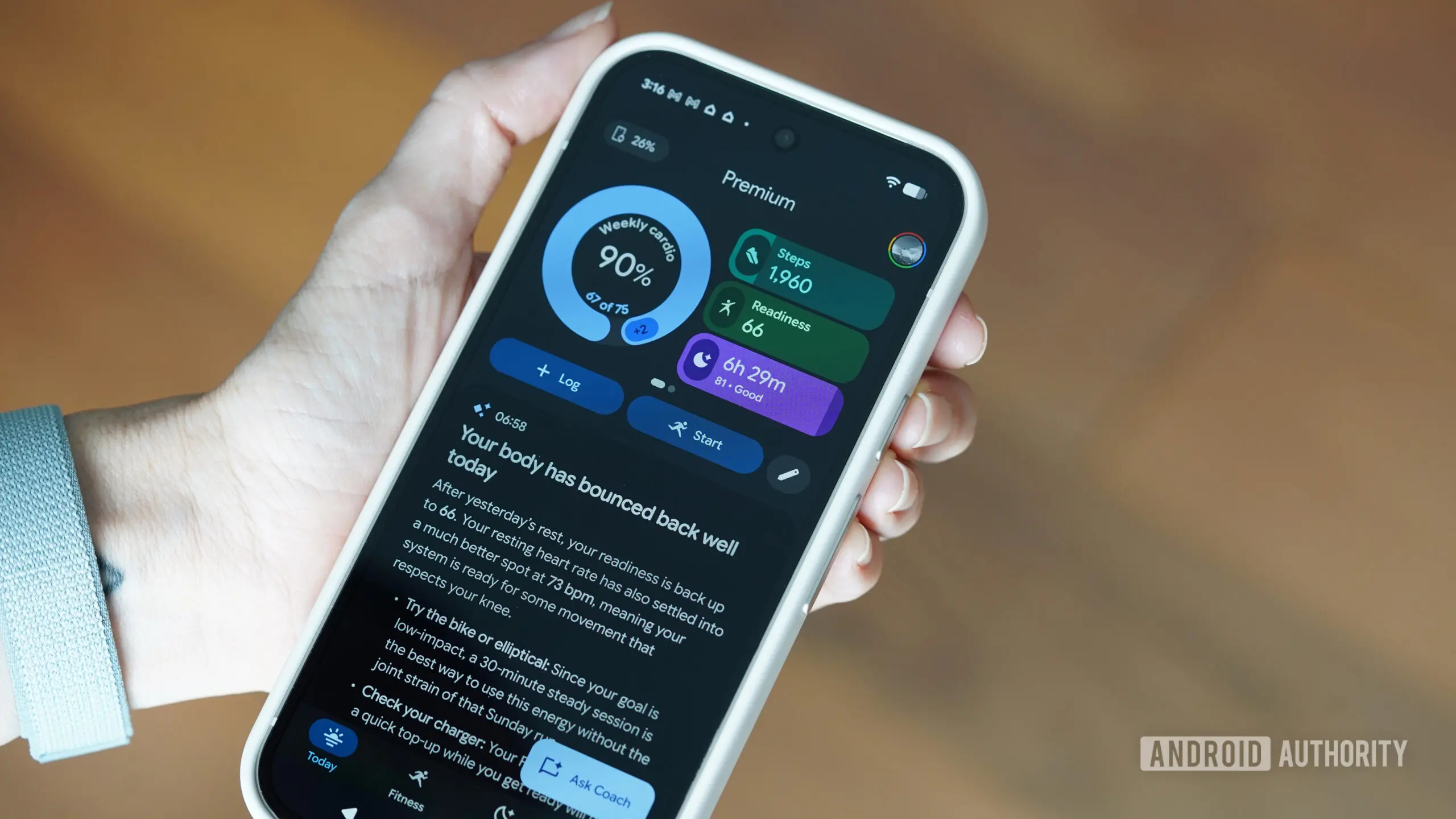
Google's transition from the Fitbit app to the new Google Health app has been met with significant user backlash. A survey conducted among over 1,500 Android users reveals that more than half of respondents are deeply dissatisfied with the redesign. While the app may look more modern and vibrant, users report a substantial decline in usability, echoing concerns about Google's focus on AI-driven features at the expense of core functionality.
The Survey in Detail
The survey asked users to rate their experience with the Google Health app after the forced upgrade from Fitbit. Results show that 51% of participants feel the app looks better but is worse to use, 23% find it both gorgeous and functional, 13% are indifferent, 9% haven't received the update yet, and only 5% love the functionality but dislike the aesthetics. This overwhelming sentiment indicates that the redesign has missed the mark for a majority of users.
The negative feedback is not confined to the survey alone. Across Reddit and other forums, hundreds of comments highlight frustrations with the app's new interface. Common themes include difficulty in finding basic metrics, the removal of sorting options for graphs, and an intrusive AI coach that provides verbose, often unhelpful commentary on daily activities. One user described the AI's platitudes as "smarmy, obsequious, and condescending."
Missing Features and Rugged Usability
Many users have pointed out that features they relied on in the Fitbit app have disappeared or become harder to access. For instance, hourly step graphs are no longer visible, and the ability to reorder tiles on the main dashboard has been removed. Adding workouts after the fact does not incorporate data properly, and GPS map run data cannot be exported. Hourly move reminders, a staple for fitness tracking, are gone. Food logging and nutrition tracking have also degraded, with more friction, premium-only features, and no support for logging food in grams. Sleep tracking often shows stuck activities or incorrect data.
Readers who participated in the public preview report that they provided extensive feedback before launch, yet none of it was implemented. One user noted that the AI coach would be useful if it could be called upon when needed, rather than being forced into the user's face constantly. The absence of customizable graphs and charts means users have to scroll through walls of text generated by AI instead of seeing simple visual trends.
Background: The Fitbit Acquisition and Google Health Strategy
Google acquired Fitbit in 2021 for $2.1 billion, aiming to integrate its health and fitness capabilities into the broader Android ecosystem. The transition to Google Health was intended to combine Fitbit's data with Google Fit and Health Connect, creating a centralized platform. However, the rollout has been rocky. Many users who have been loyal to Fitbit for years feel betrayed by the change. The new app emphasizes AI-driven insights, but critics argue that the AI often misinterprets data or provides generic advice that does not account for individual contexts.
The redesign also aligns with Google's broader push to embed AI into its products, from Search to Assistant. Yet, in the health domain, users prioritize simplicity and data accessibility over flashy features. The AI coach, which delivers daily summaries and recommendations, occupies significant screen space and frequently repeats information that could be conveyed through a simple graph. This has led to a perception that the app is designed more for engagement metrics than genuine user assistance.
User Reactions and Potential Exodus
Several users have stated that the new app is pushing them to consider switching platforms. Apple Watch and Garmin devices are frequently mentioned as alternatives. One long-time Fitbit owner said they are "sad to say that Google has ruined a great product and user experience" after six years with the brand. Another user described the app as "beyond poor" and noted that finding basic information like previous day's steps has become a near-impossible quest.
Even those who appreciate the AI insights, like one respondent who finds the coach helps them plan and focus, acknowledge that the approach could be improved. The ideal balance, as suggested by many, would be to collapse the AI text and show more visual data, such as trend graphs for readiness or sleep over the past week, with concise explanations. That way, users could both see the numbers and understand their meaning without drowning in text.
Google's Response and Future Outlook
As of now, Google has not publicly acknowledged the widespread complaints or announced any immediate fixes. The company has a history of iterating on its products based on user feedback, but the current version of Google Health feels like a step backward. The lack of hourly step graphs, the inability to sort or reorder tiles, and the buggy data syncing are not just minor annoyances—they hinder the core purpose of a health tracking app. For a company that prides itself on data organization and search, this misstep is particularly striking.
The health and fitness market is highly competitive, with established players like Garmin, Apple, and Samsung offering polished experiences. Google's miscalculation with the Fitbit transition could cost it market share among dedicated fitness enthusiasts. The success of the Google Health app now depends on whether the company can quickly address the feedback, restore missing features, and find a better way to integrate AI without overwhelming users. Until then, the sentiment among many remains one of frustration and disappointment.
Source: Android Authority News