

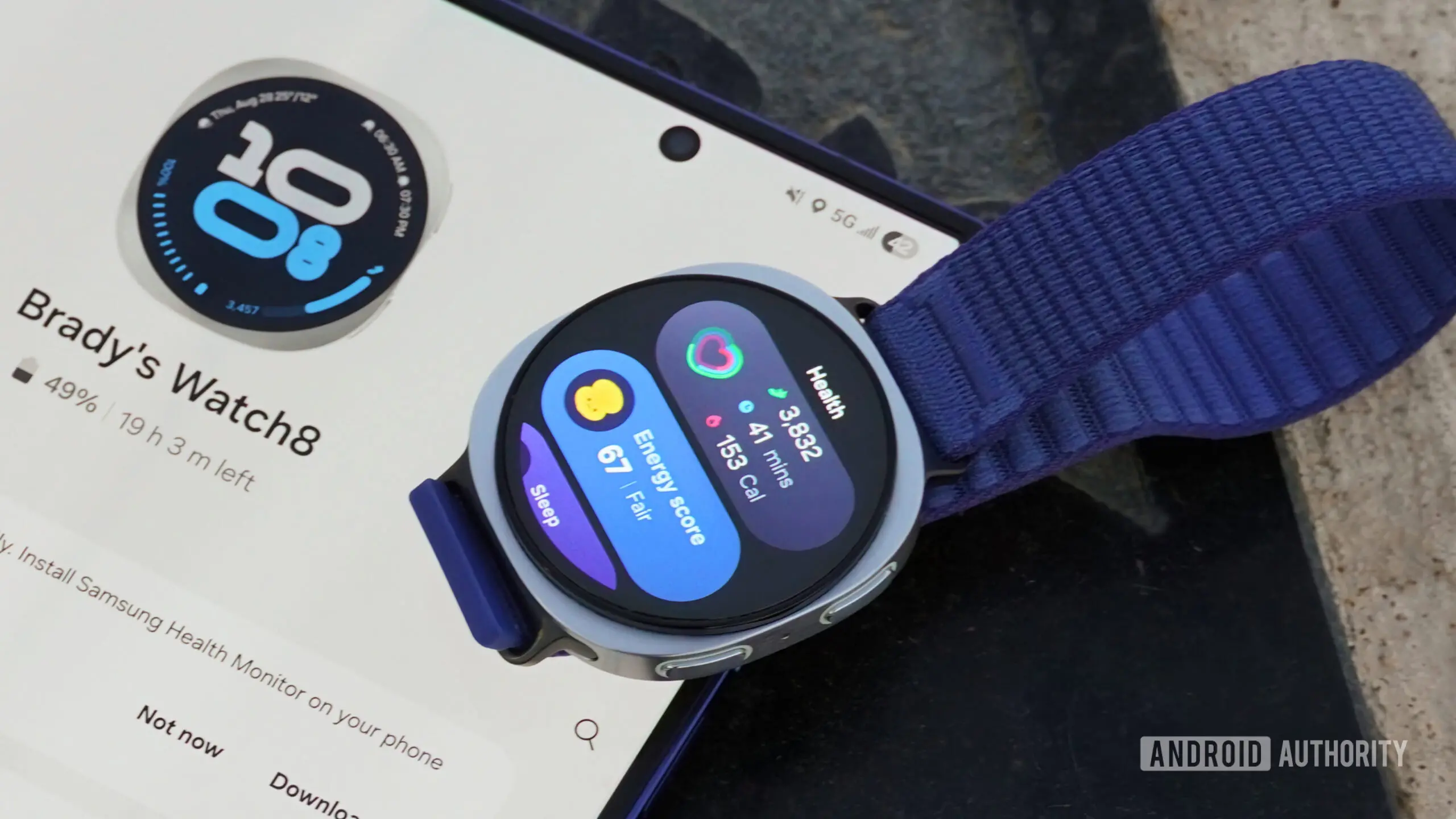
Galaxy Watch's Next Evolution: From Data Dump to Smart Coach
Samsung's Galaxy Watch series has long been a powerhouse of health tracking, armed with a BioActive sensor that measures heart rate, sleep stages, body composition, and activity levels. However, the experience often ended with a barrage of raw numbers and colorful charts that few users revisited. That may soon change with the rumored One UI 9 Watch update, which is said to prioritize Galaxy AI to turn your wrist into an intelligent proactive health coach rather than a passive data collector.
According to tipster TonySamsunglove on X (formerly Twitter), Samsung is preparing to release the first beta of One UI 9 Watch in the coming weeks, with a heavy emphasis on artificial intelligence. The leak suggests that Samsung is finally addressing the common user complaint that health data feels overwhelming and disconnected from actionable steps. The update is expected to introduce AI-generated health reports that go beyond summarizing the day's metrics – they will analyze long-term patterns, predict future trends based on past behavior, and offer tailored guidance to help users improve their well-being.
For years, health wearables have collected a wealth of information, but the burden of interpretation has rested on the user. One UI 9 Watch aims to shoulder that load by employing machine learning models that understand what your heart rate variability, sleep efficiency, and activity consistency actually mean for your overall health. For instance, instead of just telling you that you slept 6 hours and 42 minutes, the watch might explain that your deep sleep duration has declined over the past week, correlate it with increased daytime stress levels, and suggest a wind-down routine or breathing exercise.
The Shift to Predictive Health Coaching
The concept of proactive health coaching has been a long-standing goal in the wearables industry, but most implementations have been limited to basic reminders or generic tips. Samsung's approach with One UI 9 Watch appears to be more sophisticated. The tipster indicates that the system will learn from your unique patterns – when you're most active, how your body responds to different types of workouts, and how your sleep and recovery interact with daily stress. This personalized model would then produce recommendations that are specific to you, such as suggesting a rest day after a high-intensity training block or alerting you to potential sleep disruptions based on your evening habits.
Beyond daily insights, the AI reports could also provide weekly or monthly summaries that highlight meaningful changes, such as improving VO2 max trends or recovery time adjustments. These reports may help users set realistic goals and see progress over time, reducing the frustration of chasing arbitrary step counts or sleep scores. The ultimate goal is to make the data useful – not just visible.
Optimized Sensors and New Metrics
The leaks also mention that Samsung is working on optimizing the BioActive Sensor for the next release, which could improve accuracy and enable new health metrics. While specifics remain under wraps, it's possible that one UI 9 Watch will introduce advanced cardiovascular health indicators, such as pulse wave velocity (a measure of arterial stiffness) or more detailed stress tracking using Galvanic skin response. There may also be enhancements to body composition analysis, such as segmental muscle mass or visceral fat trends. These additions would align with the increasing focus on holistic health data that goes beyond basic fitness tracking.
Furthermore, Samsung is said to be developing new health metrics that could fill gaps in current tracking. For example, respiratory rate during sleep, blood oxygen saturation trends, and even early signs of illness detection have become common in premium wearables. Optimizing the sensor hardware could allow the Galaxy Watch to measure these parameters more consistently and with less interference from movement or skin tone variations.
Wear OS 7 as a Foundation
One UI 9 Watch is expected to be based on Google's Wear OS 7, which itself is rumored to bring significant upgrades. These include deeper integration of Google's Gemini AI, battery life optimizations through more efficient processor scheduling, live activity updates on the watch face, and improved workout tracking systems. Wear OS 7 will likely provide a stronger foundation for Samsung's AI features by offering better access to sensor data and more robust background processing without draining the battery. This platform-level support could enable Galaxy Watches to run complex machine learning models locally, preserving privacy while delivering real-time insights.
The partnership between Samsung and Google has been fruitful since Wear OS 3, and each iteration has brought the platform closer to parity with Apple's watchOS. With Wear OS 7, Google is also expected to introduce new APIs for health data interoperability, allowing apps and services to share information more seamlessly. This could allow Galaxy Watch users to integrate their AI-generated health reports with third-party platforms like Strava, MyFitnessPal, or even electronic health records, making the data even more actionable.
Beta Rollout and Expected Availability
Samsung typically follows a familiar beta strategy for major One UI updates. The first One UI 9 Watch beta will likely be available initially for the Galaxy Watch 8 series in South Korea and the United States, before expanding to other regions and older models. Given past timelines, the stable release could arrive alongside the launch of the Galaxy Watch 9 series later in the year. However, the beta program may also include the Galaxy Watch 7 and Watch 6 series, as Samsung often supports several generations of devices.
The leak also suggests that Samsung is putting substantial effort into refining the user interface to accommodate the new AI features. This might include redesigned health tabs, conversational AI assistants that explain data in plain language, and visual cues that highlight the most important metrics. The goal is to move away from the crowded dashboard of numbers to a cleaner, more intuitive experience that guides users toward better health decisions.
Implications for Users and the Market
If these rumors prove accurate, One UI 9 Watch could represent the most ambitious attempt yet by a major smartwatch maker to turn raw health data into actionable insights. While Apple has integrated AI into health features like cycle tracking and fall detection, Samsung's approach with Galaxy AI appears to be more comprehensive, covering the entire health ecosystem from sleep to activity to stress. This could pressure competitors like Google Pixel Watch and Fitbit to accelerate their own AI integrations, potentially sparking a new wave of innovation in the wearables space.
For consumers, the new update promises to make the Galaxy Watch a more valuable companion for long-term health management. Instead of simply recording steps or sleep scores, the watch would actively coach users toward better habits, help them understand their bodies, and intervene when something seems off. This shift from passive to proactive could increase user engagement and retention, which is critical for a device that people need to wear consistently to derive benefits.
Samsung has not officially confirmed the One UI 9 Watch beta, but given the track record of the tipster and the predictable cadence of Samsung's updates, it's highly likely that an announcement is imminent. As the wearable market matures, the next frontier is making data not just available but genuinely useful. One UI 9 Watch could be the first major step toward that goal.
Source: Android Authority News