

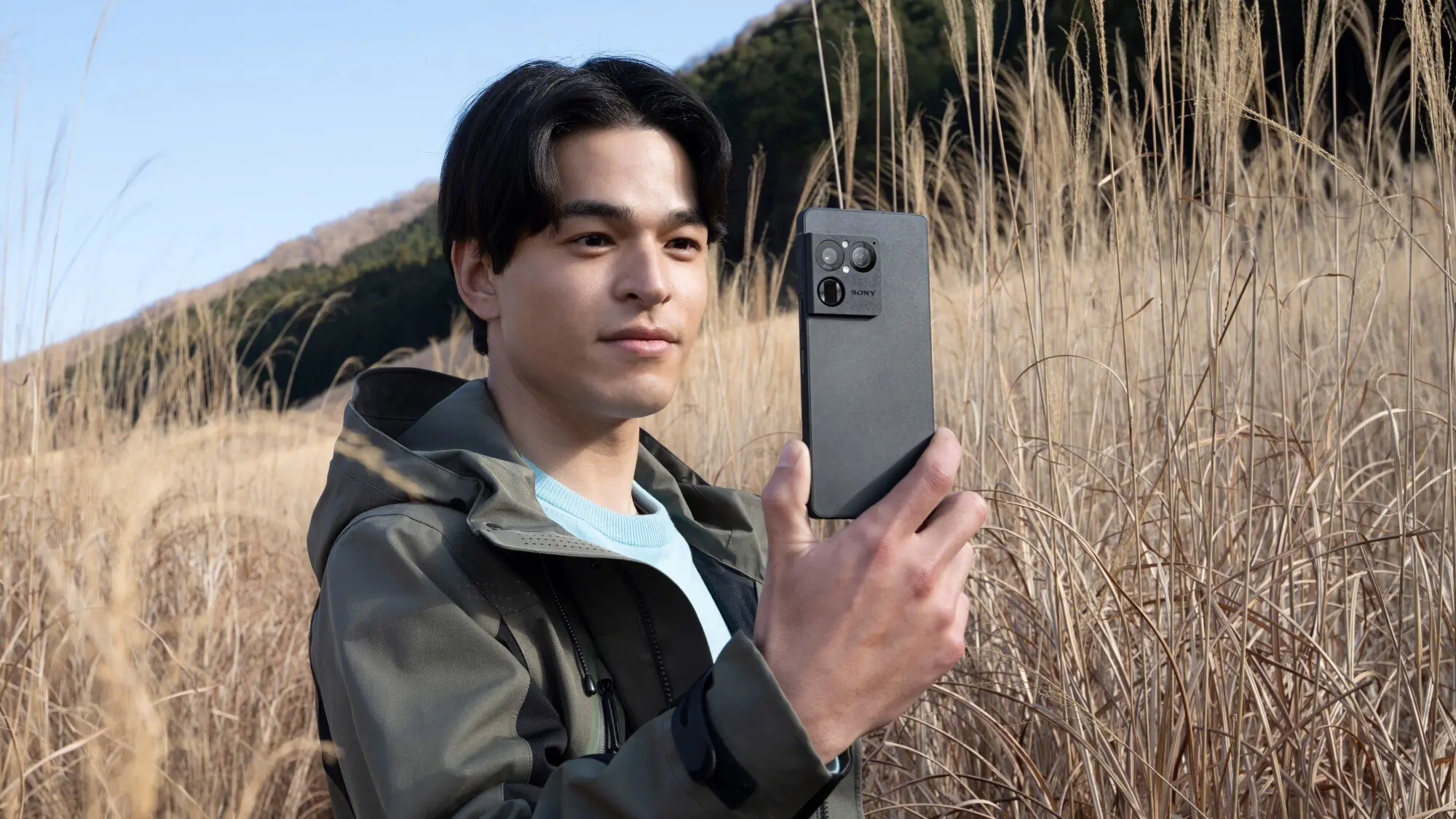
In a smartphone market that has seen both remarkable innovation and significant contraction, Sony continues to carve out its niche with the launch of the Xperia 1 VIII. Following the mixed reception of last year's Xperia 1 VII, the Japanese electronics giant is placing its bets on a series of targeted upgrades, with a particular focus on the camera system that has long been a cornerstone of the Xperia brand. The Xperia 1 VIII, unveiled today, aims to win back enthusiasts who felt the previous generation fell short of expectations in key areas.
Sony's Strategic Focus on Camera Hardware
The most notable change in the Xperia 1 VIII is the overhaul of its telephoto camera. Sony has swapped the smaller sensor found in the Xperia 1 VII for a much larger 1/1.56-inch component. This new sensor boasts a 48-megapixel resolution at a 70mm equivalent focal length, and its physical size is roughly four times larger than its predecessor. The advantage is clear: significantly better light gathering, which should translate into improved low-light performance and greater dynamic range in zoom shots. The sensor can also crop to 12 megapixels to achieve effectively double the optical zoom, offering users more flexibility without relying on digital zoom.
The ultrawide and main wide cameras remain largely unchanged from the Xperia 1 VII. The ultrawide is a 48-megapixel, 1/1.56-inch sensor with an f/2.0 aperture, while the wide lens is also 48 megapixels, with a slightly larger 1/1.35-inch sensor and an f/1.9 aperture. While these specifications carry over, Sony has improved the multi-frame processing for RAW photography across all three cameras, promising clearer and more detailed images in challenging conditions. The rear camera layout has also been redesigned, with a tighter arrangement of lenses that gives the phone a fresh look.
Beyond hardware, Sony has introduced an AI Camera Assistant that uses artificial intelligence to recommend the best starting settings for a given scene. This feature aims to help both novice and experienced photographers achieve optimal results more quickly, though users can still rely on full auto mode if they prefer. The AI is designed to provide a few suggestions rather than taking over the entire process, preserving the manual control that Xperia fans appreciate.
Performance and Interior Upgrades
Under the hood, the Xperia 1 VIII is powered by Qualcomm's Snapdragon 8 Elite Gen 5 chipset, a top-tier processor that promises a significant boost in performance and efficiency compared to the previous generation. This is complemented by a base configuration of 12GB of RAM and 256GB of storage, with a special edition offering 16GB of RAM and a massive 1TB of storage. However, that premium variant is exclusive to Sony's own online store. All models support microSD expansion, a feature that is becoming increasingly rare in flagship phones and remains a key selling point for many Xperia loyalists.
Unfortunately, the battery situation remains unchanged. The Xperia 1 VIII retains the same 5,000mAh capacity and 30W wired charging as its predecessor. While these specs are adequate by modern standards, they are not groundbreaking. Sony claims the phone can deliver two days of normal usage, likely thanks to the more efficient chipset and power management. Wireless charging is still supported, though the speed has not been specified.
The display is also carried over from the Xperia 1 VII: a 6.5-inch LTPO OLED panel with an FHD+ resolution (1080x2340) and a 120Hz refresh rate. The 19.5:9 aspect ratio remains, and the screen is protected by Corning Gorilla Glass Victus 2. The rear glass is frosted Victus 2, which should help reduce fingerprints and add a premium feel.
Audio Enhancements and Design Refresh
Audio has always been a strong suit for Sony, and the Xperia 1 VIII builds on that reputation. The phone retains the beloved 3.5mm headphone jack, a rarity in 2026, allowing users to connect wired headphones without adapters. Sony has also redesigned the stereo speakers to be fully balanced between left and right channels, addressing a common complaint from previous models where one speaker sounded noticeably different from the other. This improvement should enhance the experience for media consumption, especially when watching videos or playing games without headphones.
On the design front, Sony has introduced a new textured finish called "ORE," intended to evoke the feel of natural stones. This replaces the traditional smooth glass back and aims to improve grip and reduce slipperiness. The phone is available in several colors: Graphite Black, Iolite Silver, and Garnet Red, plus a Native Gold variant reserved for the 1TB edition. The camera bump has been reshaped, though the overall silhouette remains similar to its predecessor. Dimensions are 162 x 74 x 8.3mm, and the phone weighs 200 grams. It carries an IP65/IP68 dust and water resistance rating, ensuring durability against the elements.
Software and Longevity Commitment
Sony has confirmed that the Xperia 1 VIII will run on the latest version of its custom Android skin at launch, with a commitment to four years of major OS updates and six years of security patches. This is a competitive update policy that aligns with the best in the industry. The software improvements are centered around the camera, with the aforementioned AI Camera Assistant and better RAW processing, but Sony has also made general system optimizations for smoother performance.
One notable absence is any mention of major AI features beyond the camera assistant, unlike many competitors who are integrating generative AI into their interfaces. Sony appears to be taking a more measured approach, focusing on practical tools that enhance the core camera experience rather than adding gimmicks.
Pricing and Availability
The Xperia 1 VIII is launching exclusively in Europe, with pre-orders opening today. The price starts at €1,499 / £1,399, which is roughly $1,760–$1,900 depending on the exchange rate. This is the same price as the Xperia 1 VII at launch, which is notable given the current inflationary pressures. Sony is offering a pair of WH-1000XM6 headphones as a pre-order bonus in select markets. There is no official plan to bring the phone to the United States, continuing Sony's retreat from the US smartphone market. This means American fans will have to rely on importing if they want to get their hands on the device, though compatibility with US carriers may vary.
For those who can obtain the Xperia 1 VIII, it represents a focused update that addresses the most important criticism of its predecessor: the camera. With a larger telephoto sensor, new AI-assisted shooting modes, and improved RAW processing, Sony is signaling that it is willing to invest in the experiences that matter most to its core audience. The retention of the headphone jack, microSD slot, and expandable storage further solidify its appeal to enthusiasts who value these features. However, the lack of a larger battery or faster charging, combined with a very high price point, means the Xperia 1 VIII will remain a niche product. Whether that is enough to win back the fans who were disappointed by the Xperia 1 VII remains to be seen, but the improvements are undeniably meaningful.
Source: Android Authority News