

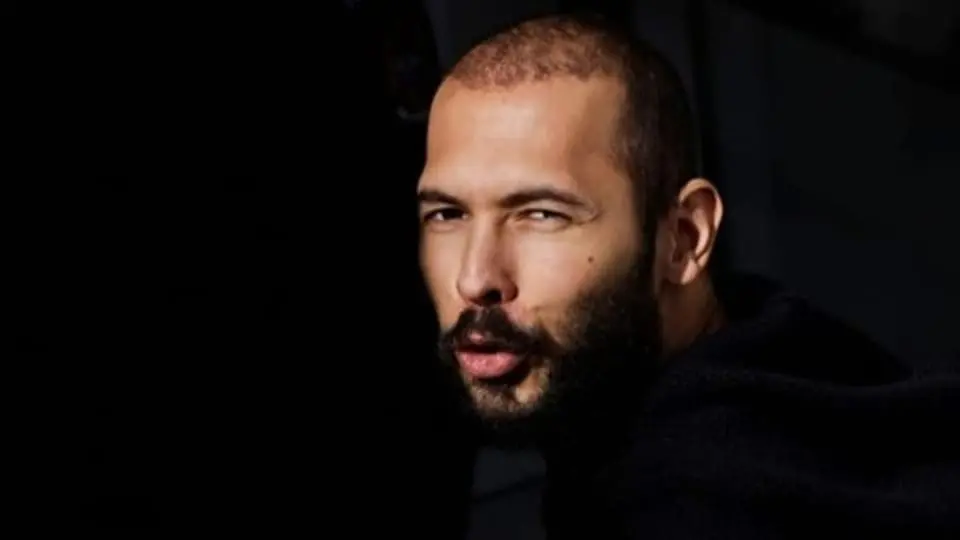
Andrew Tate, the 36-year-old British-American former kickboxer turned social media influencer, has become one of the most polarizing figures of the digital age. Known for his flashy cars, expensive cigars, and an unapologetically chauvinistic worldview, Tate attracts millions of followers while simultaneously drawing intense criticism. His rise to fame is a case study in modern masculinity, online radicalization, and the complex dynamics of forbidden appeal.
Who Is Andrew Tate?
Growing up in Luton, England, Tate discovered martial arts early and became a world champion kickboxer. After retiring from sport, he transitioned into entrepreneurship, building a webcam and OnlyFans empire. His persona shifted dramatically when he began posting videos on TikTok and YouTube, promoting a hyper-masculine 'alpha male' philosophy. He often claims that women belong in the home, that men should dominate relationships, and that feminism has eroded societal values.
His content went viral among teenage boys and young men, sparking debates about the resurgence of toxic masculinity. In December 2022, Tate was arrested in Romania on charges of human trafficking and rape, along with his brother Tristan. They are alleged to have lured women into relationships and then forced them into prostitution. While awaiting trial, Tate remains under house arrest, but his online influence has not waned.
The Appeal to Young Men
Despite the serious allegations, Tate's popularity continues to grow. In 2022, his name was one of the most searched on Google. The allure, according to educators, lies in his unflinching self-confidence and his rejection of what he calls 'woke culture.' Swiss teacher Daniel Gebauer, who has taught at secondary schools in Bern for two decades, noticed this firsthand. When he asked his students about Tate, half the boys raised their hands. Many knew about the controversy, yet they were intrigued.
'They understand that Tate is controversial and acknowledge the public's negative opinion,' Gebauer explains. 'But they also admire his directness – that he doesn't try to please anyone. In a world where they feel constantly lectured about political correctness, that kind of coolness is appealing.' The teacher adds that his students also reject the most extreme misogyny and homophobia. They distinguish between provocative rhetoric and actionable hatred.
This duality is central to understanding the Tate phenomenon. Young men today navigate a minefield of shifting gender expectations. They are told to discard old stereotypes but are often given no clear alternative. Tate offers a simple, radical answer: return to traditional dominance. His violent misogyny is repackaged as self-empowerment and financial freedom – a siren call to those feeling lost.
Swiss Schools: No Panic Yet
In Switzerland, the national teachers' association (LCH) has not launched any awareness campaigns regarding Tate. They state they would act only if his influence becomes a concrete problem in classrooms. However, individual teachers like Gebauer are already dealing with the issue. He argues against banning Tate or simply condemning him. Instead, he believes educators must engage with the content their students consume.
'We need to understand why they're drawn to him, not just dismiss their interests,' Gebauer says. He points out that Tate's appeal is partly about the forbidden. The knowledge that his views are taboo adds an extra thrill. This makes him more attractive than mainstream celebrities who endorse bland positivity.
Schools in other countries, notably the UK, have taken a more proactive approach. Some have held assemblies where students are explicitly told that Tate's views are unacceptable. Others have integrated media literacy lessons to deconstruct his messaging. The difference in approaches highlights the uncertainty about how best to combat online radicalization.
From Kickboxer to Cult Figure
Tate's journey from athlete to influencer is marked by strategic provocations. He was banned from multiple platforms – Twitter, Facebook, Instagram, TikTok – for misogynistic and hateful speech. Yet he always found new ways to reach his audience, including through alternative platforms like Rumble and Telegram. His arrest only amplified his narrative of being persecuted by a corrupt establishment. He portrays himself as a martyr for free speech and traditional values.
His business model relies on selling courses and membership in his 'Hustlers University,' which promises to teach men how to get rich and attract women. For a monthly fee, members gain access to videos, live chats, and a community of like-minded followers. This creates an echo chamber where Tate's ideology is reinforced. The more controversy he stirs, the more attention he attracts – and the more revenue he generates.
Critics argue that Tate's influence is dangerous because it normalizes violence against women and undermines progress toward equality. Yet his followers often reply that he is just a provocateur saying what many men think but dare not say. This tension is unlikely to resolve soon.
What the Future Holds
As Tate awaits trial in Romania, his legal team is working to have his detention overturned. Meanwhile, his online presence continues to evolve. Some supporters have distanced themselves after the charges became public, but a dedicated core remains. The case has also spurred debates about the limits of free speech on social media and the responsibility of platforms to curb harmful content.
In Switzerland, teacher Daniel Gebauer believes the best response is not censorship but education. He is developing lesson plans that analyze Tate's arguments, explore the psychological mechanisms behind his appeal, and empower students to think critically. 'We cannot shield students from influencers,' he concludes. 'We must equip them to question what they see, to understand why some ideas are dangerous, and to form their own values.'
Until the legal process concludes, Andrew Tate will remain a lightning rod. Whether he is ultimately convicted or acquitted, his impact on the discourse around masculinity, online influence, and the vulnerability of young people will be studied for years to come. His story is far from over.