

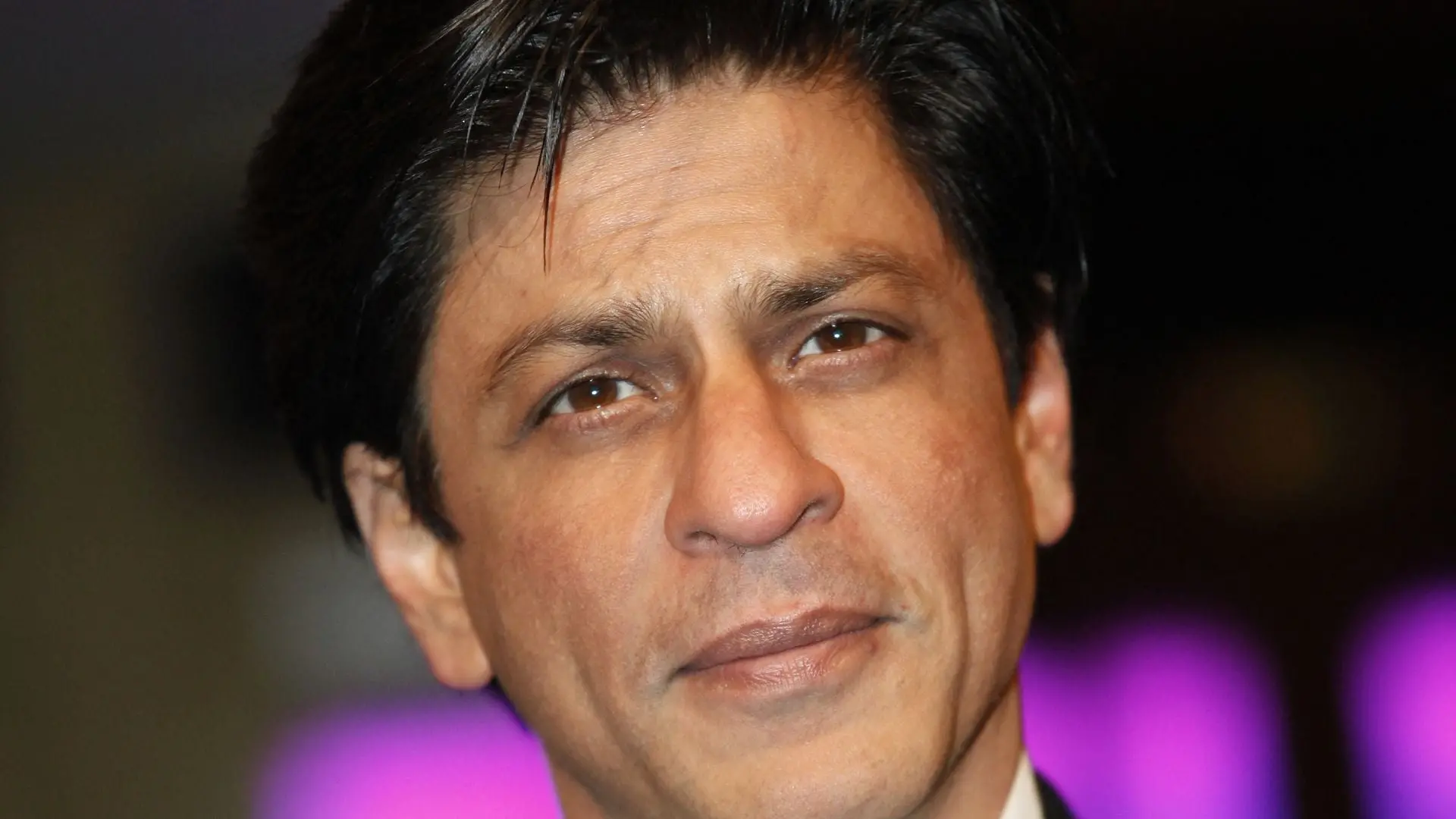
Shah Rukh Khan, one of Bollywood's most iconic and bankable stars, has a reputation not only for his charismatic performances but also for his generosity. In a remarkable gesture that still resonates with industry insiders, the actor reportedly refused to take any payment for his role in the 2002 film Hum Tumhare Hain Sanam. The movie, starring Salman Khan and Madhuri Dixit alongside him, had a troubled production history that stretched over six years, leading to severe budget overruns. Producer K.C. Bokadia later revealed that despite multiple attempts, he could not convince Khan to accept his fee, calling the star an exceptional human being.
The original agreement had Khan receiving approximately ₹95 lakh (roughly $115,000 at the time) for his part. However, as filming began in 1997 and encountered numerous delays—including changes in title, music composers, singers, and even costume redesigns to keep up with fashion trends—the overall budget escalated dramatically. By the time the film was completed, Khan allegedly insisted that the producers save the money and not pay him. Bokadia recalled that Khan felt the production had already suffered enough and that his compensation would only add to the financial strain.
This selfless act is just one example of Khan's well-known philanthropy. Over the years, he has supported numerous charitable causes through his Meer Foundation, which aids women and children, and has contributed to disaster relief and education initiatives. In Bollywood, where stars routinely command multi-crore fees, such a decision stands out and reinforces Khan's image as a grounded artist who values his craft over monetary gain.
Background and Career Context
Shah Rukh Khan, often called the 'King of Bollywood,' rose to fame in the early 1990s with romantic hits like Dilwale Dulhania Le Jayenge (1995) and Dil To Pagal Hai (1997). By the time Hum Tumhare Hain Sanam was released, he had already established himself as a versatile actor capable of both romance and drama. His decision to play a negative character in this film—a jealous and suspicious husband—was a departure from his usual roles, but it showcased his range. The film's story revolves around a love triangle where Khan's character becomes possessive and distrustful of his wife, played by Madhuri Dixit, leading to conflict with Salman Khan's character.
Despite its star-studded cast, the movie faced an uphill battle at the box office. It eventually earned around ₹13.52 crore (approx. $1.7 million) in India, which, while not a disaster, was considered below expectations given the star power involved. The lengthy production delays had caused the film to lose momentum, and by the time it premiered, audience tastes had shifted. Nonetheless, Khan's performance was praised, and his willingness to forgo his salary became a talking point that added to his legend.
Why Did the Film Take Six Years?
The making of Hum Tumhare Hain Sanam is a case study in Bollywood's sometimes chaotic production processes. Originally conceived in 1996, the project underwent numerous creative changes. The title itself was changed from an earlier working name, and the music composers were replaced multiple times—first by Laxmikant-Pyarelal, then by others. Even the leads had to adjust their looks as fashion evolved; Madhuri Dixit's wardrobe and hairstyles were updated to reflect new trends, requiring reshooting of certain scenes. Such delays are not uncommon in Indian cinema, but the six-year gap between start and release severely impacted the budget and marketing strategy.
Interestingly, Shah Rukh Khan and Salman Khan had already worked together in successful films like Karan Arjun (1995) and Hum Saath Saath Hain (1999), and their on-screen chemistry was well-received. Madhuri Dixit, at the height of her career, added further star power. Yet, the film's troubled production meant it competed with newer releases featuring the same stars, such as Devdas (2002) for Khan and Yeh Jawani Hai Deewani (1996) for Dixit—though that was earlier.
From an industry perspective, Khan's decision to waive his fee was not entirely unprecedented but still rare. In 1993, he had agreed to play a negative role in Darr for a nominal amount after the director Yash Chopra convinced him that the role would be challenging. Similarly, he once accepted a lower fee for Chak De! India (2007) because he believed in the project's social message. These instances highlight a pattern where Khan prioritizes script and creative satisfaction over pure commercial gain.
The Aftermath and Legacy
Though Hum Tumhare Hain Sanam did not become a landmark film, it remains notable for the behind-the-scenes stories. The producer, K.C. Bokadia, has spoken about Khan's humility in multiple interviews, calling him a 'gem of a person.' For fans, the knowledge that their favorite star worked for free on a project that tested everyone's patience only deepens their admiration. It also stands in contrast to the cutthroat business side of Bollywood, where contractual disputes over fees and dates often make headlines.
Shah Rukh Khan's career continued to soar after 2002, with blockbusters like Kal Ho Naa Ho (2003), Veer-Zaara (2004), and My Name Is Khan (2010). He also built his own production company, Red Chillies Entertainment, which has produced several successful films and VFX projects. But his act of generosity in 2002 is often cited as a testament to his character, especially in an industry where money is a primary driver.
The film itself has gained a cult following among fans of the three stars, and its music, though changed multiple times, still has some memorable tracks. However, it was the news of Khan's unpaid performance that gave the film an enduring footnote in Bollywood history. Even today, when pundits discuss actor salaries and budget management, Hum Tumhare Hain Sanam serves as an example of how artistic commitment can transcend financial expectations.
In an era where celebrity endorsements and brand deals often reflect an actor's market value, Khan's gesture reminds us that some stars remain grounded. He has never publicly boasted about it, and it only came to light through the producer's revelations. This humility is part of what makes Shah Rukh Khan not just a star, but a beloved figure across India and beyond. His willingness to sacrifice his fee for a film that struggled through a painful production cycle shows that sometimes, the art matters more than the paycheck.
As Bollywood evolves with streaming platforms and changing audience preferences, the story of Hum Tumhare Hain Sanam offers a nostalgic glimpse into a time when three of the industry's biggest names came together for a project that, despite its flaws, left an indelible mark on everyone involved. And at the center of that story is Shah Rukh Khan—the actor who gave his performance for free and earned even more respect in return.
Source: Promiflash.de News