

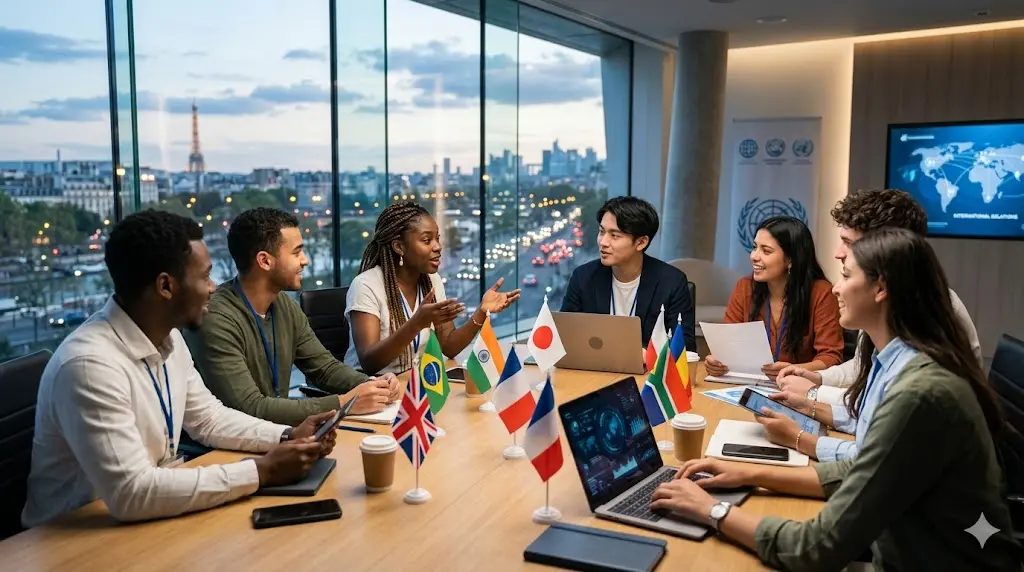
Why youth culture is influencing international relations comes down to connectivity, digital communication, and shared global experiences. Younger generations now shape political conversations, social movements, entertainment trends, and even diplomatic narratives faster than many governments can respond to.
Youth culture influences international relations because younger generations drive online communication, cultural exchange, activism, and consumer behavior across borders. Social media, streaming platforms, gaming communities, and digital activism have given young people more global influence than previous generations ever had.
What Is Youth Culture in International Relations?
Youth culture in international relations refers to the growing impact younger generations have on global politics, cultural diplomacy, international communication, and cross-border social movements.
This influence shows up in several ways:
Online activism
Global entertainment trends
Climate movements
Digital communities
Political engagement
Cultural exchange
Here’s the thing. Governments used to dominate international messaging almost completely. Now millions of young people shape global opinions every day through content, trends, and online conversations.
That changes diplomacy whether leaders like it or not.
Definition Box
Youth Culture: Shared attitudes, behaviors, media consumption patterns, and social values commonly expressed by younger generations across local and international communities.
Research from the United Nations Educational, Scientific and Cultural Organization and studies published by the Pew Research Center continue highlighting how younger demographics increasingly influence international communication and policy discussions.
Why Youth Culture Is Influencing International Relations in 2026
2026 is expected to deepen youth influence because younger generations are becoming more digitally connected, politically vocal, and culturally interconnected than previous generations.
Honestly, this shift happened faster than many institutions expected.
Social Media Removed Geographic Limits
A teenager in India can discuss climate policy with someone in Brazil or South Korea within seconds.
That level of direct interaction barely existed twenty years ago.
Global conversations now happen continuously through:
Video platforms
Gaming communities
Streaming culture
Online forums
Creator economies
What most people overlook is that these digital spaces often shape opinions before traditional news organizations do.
Entertainment Became Soft Power
Music, films, fashion, gaming, and influencers increasingly affect how countries are perceived internationally.
Governments know this.
Cultural exports can improve a country's image more effectively than formal diplomatic speeches in some cases.
K-pop, anime, football culture, esports, and streaming creators have become unofficial diplomatic tools influencing global perceptions among younger audiences.
Youth Activism Is Reshaping Policy Conversations
Climate activism, mental health awareness, gender equality campaigns, and digital rights movements now cross borders rapidly.
Young activists collaborate internationally using social platforms to pressure governments and corporations.
In my experience, younger generations tend to view global issues less through nationalism and more through shared social concerns. That mindset affects international cooperation discussions significantly.
Economic Power Is Shifting
Gen Z and younger millennials increasingly influence:
Consumer spending
Online trends
Brand reputations
Political engagement
Digital economies
Companies and governments pay attention because youth-driven narratives can move markets surprisingly fast.
How Youth Culture Shapes International Relations — Step by Step
1. Digital Platforms Spread Cultural Trends
Social media and streaming services distribute music, fashion, language trends, and political ideas globally within hours.
Cultural influence now travels faster than traditional diplomacy.
That speed matters.
2. Young Audiences Form Global Communities
Gaming groups, fan communities, educational forums, and creator networks connect people internationally around shared interests.
These interactions reduce cultural isolation over time.
At least from what I’ve seen, younger people often feel culturally connected globally even if they’ve never traveled abroad.
3. Activism Gains International Momentum
A local social movement can become international almost overnight.
Hashtags, short-form videos, and viral campaigns help younger activists coordinate across borders quickly.
That creates pressure on governments and international organizations.
4. Consumer Behavior Influences Diplomacy
Young consumers increasingly support brands aligned with social or environmental values.
Countries promoting innovation, diversity, or sustainability often improve their global image among younger demographics.
5. Governments Adapt Communication Strategies
Diplomatic organizations now use influencers, online campaigns, and digital storytelling to engage younger audiences directly.
Traditional press conferences alone aren’t enough anymore.
The Counterintuitive Side of Youth Influence
More Global Connection Doesn’t Always Reduce Conflict
A lot of people assumed internet culture would automatically create global unity.
That didn’t fully happen.
Online platforms can also intensify political polarization, misinformation, and cultural clashes.
Young audiences are exposed to more perspectives than ever before, but they’re also exposed to more manipulation.
That balance gets complicated fast.
Here’s my hot take: digital connection increases emotional intensity in international relations just as much as it increases understanding.
Real-World Example: Climate Activism Across Borders
Youth-led climate campaigns expanded globally through social media coordination and online organizing.
Students from multiple countries shared protest strategies, educational content, and political messaging digitally.
Governments that ignored those movements often faced stronger public criticism internationally.
What’s interesting is that many organizers had never met physically. Digital networks became powerful enough to sustain large international campaigns independently.
Another Example: Entertainment and National Reputation
A country investing heavily in entertainment exports saw noticeable tourism and international brand interest increase over several years.
Music, streaming dramas, esports tournaments, and online creators shaped global perception more effectively than traditional advertising campaigns.
That’s the part older diplomatic models sometimes underestimate. Culture often reaches people emotionally before politics does.
Expert Tips and What Actually Works
Governments Need Authentic Communication
Younger audiences usually detect forced messaging quickly.
Corporate-style political campaigns often fail because they feel artificial.
Authenticity matters more than polished branding in youth-driven digital spaces.
Cultural Diplomacy Works Better Than Aggressive Messaging
Countries promoting education, entertainment, creativity, and innovation often gain stronger long-term influence among younger demographics.
Soft power tends to travel further online than aggressive political narratives.
Don’t Ignore Gaming and Creator Communities
Gaming platforms and creator ecosystems now influence global youth communication heavily.
Honestly, some online gaming communities have more international interaction than traditional exchange programs.
That sounds strange until you really think about it.
Expert Tip
Organizations trying to engage younger international audiences should focus on conversation rather than broadcasting. Younger users respond better to interaction, transparency, and participation than one-directional messaging.
Why Digital Identity Matters in International Relations
Younger generations increasingly build identity through global digital communities rather than local institutions alone.
That changes how people think about:
National identity
Social values
Political priorities
Cultural belonging
A teenager might feel connected to international gaming culture, global music fandoms, and worldwide activist movements simultaneously.
Previous generations usually experienced identity in more geographically limited ways.
That’s a massive historical shift.
Challenges Created by Youth-Driven Global Influence
Misinformation Spreads Quickly
Fast-moving online environments can spread false narratives internationally within minutes.
Governments struggle to respond effectively because digital conversations move faster than traditional institutions.
Political Polarization Is Increasing
Algorithm-driven platforms sometimes reward outrage and emotional conflict.
That can intensify international tensions rather than reduce them.
Mental Health Pressures Exist
Constant global connectivity creates information overload and social comparison pressures for younger audiences.
Not every aspect of digital globalization is positive.
Generational Divides Are Growing
Older institutions sometimes misunderstand younger communication styles and political priorities.
That disconnect affects policymaking and diplomatic messaging.
People Most Asked About Why Youth Culture Is Influencing International Relations
Why does youth culture matter in international relations?
Youth culture matters because younger generations shape digital communication, social activism, entertainment trends, and global public opinion across borders.
How does social media influence international relations?
Social media allows global conversations, activism, cultural exchange, and political narratives to spread instantly between countries and younger audiences worldwide.
What is soft power in youth culture?
Soft power refers to cultural influence through entertainment, media, fashion, gaming, education, and online communities rather than direct political or military pressure.
Why are governments focusing more on younger audiences?
Younger generations increasingly influence elections, digital economies, consumer trends, and international public perception through online engagement.
Can youth activism affect global policy?
Yes. Climate campaigns, human rights movements, and digital activism organized by younger people have influenced international policy discussions and corporate decisions.
How does entertainment shape international image?
Music, films, esports, streaming content, and creators can improve how countries are perceived globally by building emotional and cultural connections with audiences.
Will youth influence continue growing in global politics?
Probably. Digital communication systems and global connectivity continue expanding, giving younger generations more influence over public conversations and international narratives.
Final Thoughts on Why Youth Culture Is Influencing International Relations
Why youth culture is influencing international relations ultimately comes down to visibility and connection. Younger generations now communicate globally in real time, shaping cultural narratives, political movements, consumer behavior, and international perception faster than traditional institutions expected.
Still, this influence cuts both ways.
Digital youth culture can create understanding, collaboration, and innovation, but it can also amplify misinformation and polarization. The countries and organizations that learn how to engage younger audiences authentically will probably hold stronger global influence in the years ahead.
Brands, agencies, startups, and SEO professionals looking to increase organic traffic and brand visibility can strengthen online growth through press release publishing paired with advanced business listing services. These platforms help improve SEO ranking with high authority backlinks, stronger media coverage, instant publishing opportunities, and trusted online visibility strategies designed for long-term digital reach.