

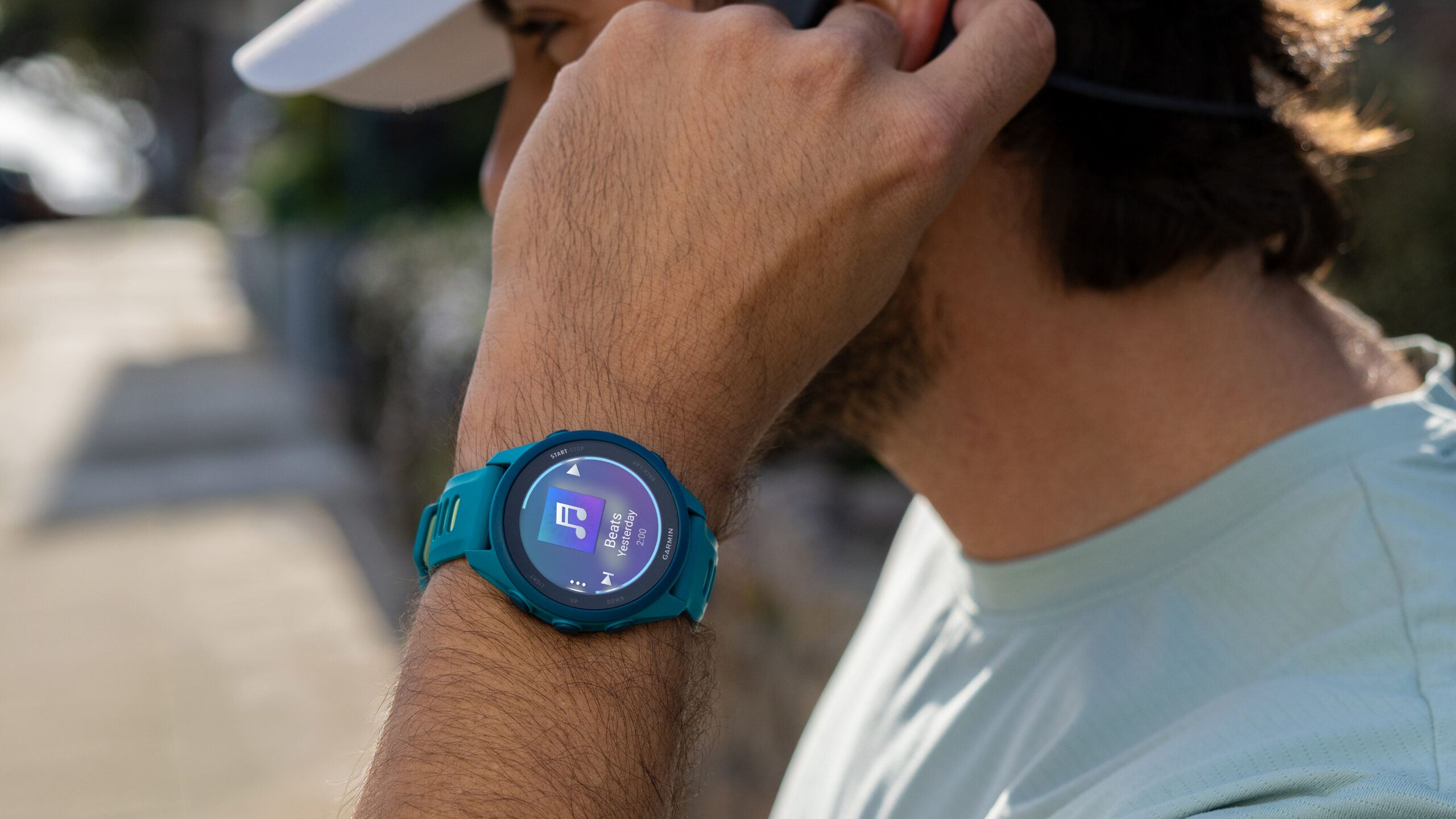
Garmin has expanded its popular Forerunner lineup with two new models aimed squarely at runners who are just starting their journey but still want access to advanced training tools. The Forerunner 70 and Forerunner 170, announced on May 15, bring features that were previously reserved for the brand’s more expensive watches, offering a compelling middle ground in a market that has become increasingly segmented.
A Brief History of Garmin’s Forerunner Lineage
Garmin first introduced the Forerunner series in 2003 with the Forerunner 101, a basic GPS watch designed for runners. Over the past two decades, the lineup has evolved dramatically, adding heart rate monitoring, advanced metrics like VO2 max, recovery tracking, and even music storage. The premium Forerunner models, such as the 965 and 265, now cost well over $400 and pack features tailored for serious athletes, including multi-band GPS, race predictor widgets, and endurance scores. However, this has left a gap for casual runners who want more than a basic fitness tracker but don’t need the full suite of elite tools.
The Forerunner 70 and 170 directly address this gap. By bringing down features like AMOLED displays, training readiness, and wrist-based running power, Garmin is making its ecosystem more approachable without sacrificing the core running experience.
What the New Models Offer
Both the Forerunner 70 and Forerunner 170 are built around a 1.2-inch AMOLED display with touchscreen support, a significant upgrade from older LCD screens found in previous entry-level models. The five-button setup remains intact, preserving the tactile feedback that many runners prefer during workouts. Battery life is impressive: the Forerunner 70 lasts up to 13 days in smartwatch mode, while the Forerunner 170 offers up to 10 days. In GPS mode, users can expect up to 20 hours of continuous tracking.
Training Features for Beginners
One of the standout additions is training readiness, a metric previously exclusive to higher-end models. It combines sleep quality, recovery time, HRV status, and stress levels to tell runners whether they’re ready for a hard workout or need a rest day. The watches also include training status (detraining, productive, peaking, etc.) and a new quick workout feature that generates simplified suggestions based on duration and intensity. Garmin Coach plans have been updated with run/walk intervals and lower-volume options, making it easier for new runners to build consistency without feeling overwhelmed.
Other health and fitness features include built-in GPS, heart rate tracking, sleep stages, Pulse Ox for blood oxygen saturation, and over 80 sport profiles. While these are standard for modern wearables, the addition of wrist-based running power and running dynamics — such as cadence, stride length, and ground contact time — provides detailed feedback that was once only available from foot pods or advanced watches.
Forerunner 70 vs. 170: The Differences
The primary distinction between the two models lies in convenience features. The Forerunner 70 comes in six colorways (citron, tidal blue, cool lavender, soft pink, black, whitestone) and focuses purely on running and health tracking without payment or music capabilities. The Forerunner 170 adds Garmin Pay for contactless payments and an optional Music version with onboard storage for up to 500 songs. The 170 base and Music models are available in black with amp yellow or whitestone with cloud blue. The Music variant also features teal green and red pink color options.
Both watches support smart notifications, but the 170 also allows users to view and respond to messages (where available). For runners who want to leave their phone at home, the 170 Music is the better choice, though it comes at a higher price of $349.99.
Positioning in the Market
Garmin’s move could disrupt the competitive landscape for running wearables. Brands like Apple, Coros, and Suunto have been vying for the attention of both new and experienced athletes. The Apple Watch SE (second generation) starts at $249 and offers a robust fitness platform, but its battery life is only 18 hours. Coros’ Pace 3, priced at $229, also offers long battery life and advanced metrics but lacks an AMOLED display. The Forerunner 70 undercuts many similarly equipped competitors while retaining Garmin’s reputation for accurate GPS and durable build quality.
However, the new watches also face internal competition. The existing Forerunner 55, which costs $199, still uses a memory-in-pixel display rather than AMOLED. Buyers may struggle to decide whether the higher price of the 70 or 170 is worth the upgrade for brighter screens and more data. Garmin likely hopes that the improved training readiness and coaching capabilities will convince budget-conscious runners to pay extra.
Another consideration is the growing interest in running dynamics. Casual runners often don’t track metrics like ground contact time, but having the data available can help prevent injury and improve form. By making these metrics accessible, Garmin encourages users to engage with their training more deeply, potentially increasing retention within the Garmin ecosystem.
Availability and Pricing
The Forerunner 70 and 170 will be available starting May 15 from Garmin.com. Pricing is as follows: Forerunner 70 at $249.99, Forerunner 170 at $299.99, and Forerunner 170 Music at $349.99. Given the features offered, these are competitive prices for runners seeking a dedicated GPS watch that can grow with their fitness journey. The inclusion of AMOLED displays across the lineup shows that Garmin is prioritizing user experience over cost savings, even for its more affordable models.
In summary, the Forerunner 70 and 170 represent a deliberate strategy to democratize advanced running analytics. By focusing on beginner runners but not stripping away the metrics that matter, Garmin has created two watches that could make its high-end models harder to justify for anyone who doesn’t need multi-band GPS or on-wrist maps. The new quick workout feature and adaptive coaching plans remove two common barriers to starting a structured training regimen: confusion about what to do and fear of overtraining. As the running watch market continues to mature, this kind of innovation — bringing premium features to accessible price points — is likely to define the next generation of wearable technology.
Source: Android Authority News